Elder Voices
“Older people, who just happen to have been around longer, may not be cleverer than the young, but they have seen more.”
As the number of people aged over seventy steadily rises, many find themselves left behind by the pace of change, including in the chance to say how they see the world they have watched transform. The Project begins in the United Kingdom, and exists to unlock those reflections.
Who, How and Where
Elder Voices is built on a simple premise. As the population aged seventy and over continues to grow, the people who have lived through decades of change have fewer and fewer channels through which to say what they make of it. The Project exists to close that gap. It starts in the United Kingdom and, should the model hold, will expand beyond it.

Who
People aged seventy and over who are seldom asked for their view. They are less likely to be on social media, more often thought of as quiet than vocal, and often resigned to going unheard.
How
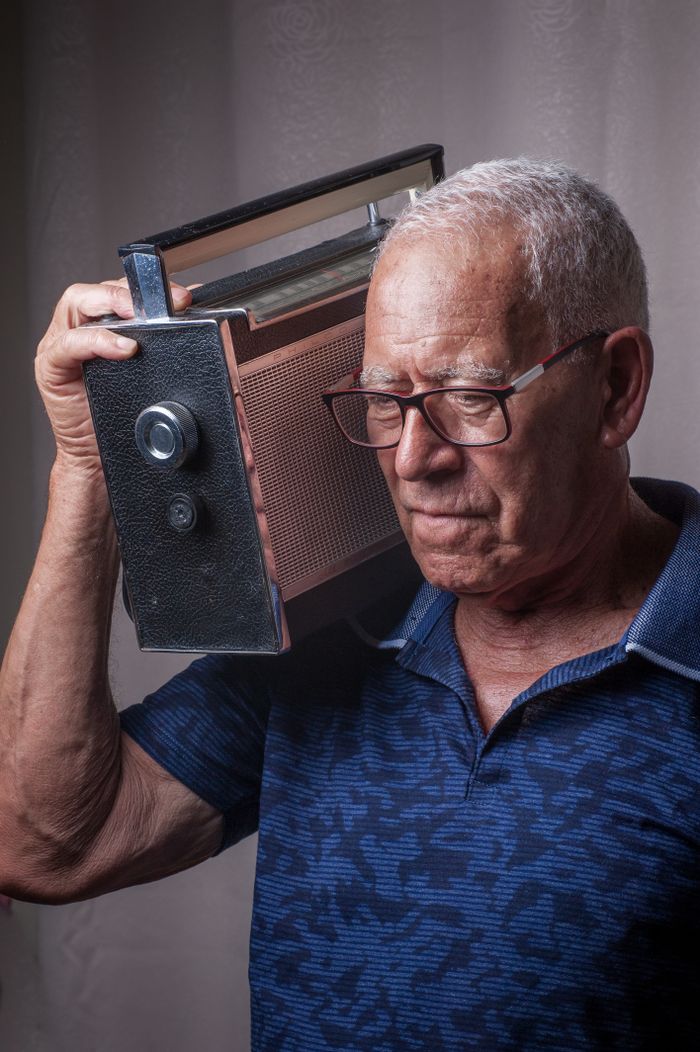
Contributions are recorded direct to tape in a familiar setting, usually over tea or coffee. There is no agenda and no time limit. School pupil volunteers listen and guide the conversation. Each recording is transcribed and returned to the participant, with privacy assured.

Where
Open to all. In its early days the Project is organised through existing senior social groups: care homes, churches, libraries and age-care groups.
The Essence of the Project
The Project rests on three distinct arguments rather than one mission statement. They are related, but each implies a different measure of success.
A chance to have their say
A therapeutic case: there is value in being heard, whatever becomes of the material afterwards.
Bringing feelings to light
A documentary case: it surfaces the views of a generation on a lifetime of change, views that are rarely asked for and rarely recorded.
Youngest meets oldest
A relational case: pairing the oldest and youngest adults in a community is worth doing in itself, not just a way of gathering the material.
The Pilot
The first survey round is being conducted in the London Boroughs of Bromley and Orpington.
- St Joseph's R.C. Church Bromley
- St Christopher's Hospice Orpington
- St Edward's Church Mottingham
- Elmstead Care Home Chislehurst
Ambition & Learning
Further community surveys across South East England, before we consider expanding nationally and, in time, internationally.
Contributions from each survey round are assimilated, with individual highlights distilled and circulated back to participating groups, and published here with every contributor's privacy assured. The data is offered to any reputable organisation that can be trusted to use it responsibly.
Four Ways to Help
Host a Survey
Bring the Project to your church, care home, library or community group.
Find out more →Volunteer
Students and young adults act as listener and facilitator for a contributor's session.
Register interest →Partner or Sponsor
Support the pilot as it expands across South East England. Funding covers recording equipment, transcription and coordination as new sites join.
Discuss partnership →Safeguarding
Every contribution is anonymous, and every volunteer relationship carefully safeguarded.
Read our policy →Before You Get in Touch
What happens to a recording once it's made?
Each session is transcribed, and both the recording and transcript are returned to the participant. With their consent, individual highlights are distilled and circulated back to the host group, and published here, with privacy assured throughout. The underlying data is offered to any reputable organisation that can be trusted to use it responsibly.
How are participants and volunteers safeguarded?
Every contribution is anonymous by default, and every pairing between a pupil volunteer and a contributor is arranged and supervised through the host organisation: the church, care home or library already responsible for that participant's welfare.
What does sponsorship actually fund?
The pilot is running across Bromley and Orpington on a modest footing; sponsorship is what allows it to extend to further boroughs, cover transcription costs, and, in time, support a paid coordinator role rather than relying solely on volunteers.